Grid Expansion Triggers and Regional Licensing Frameworks in Verified Gaming Applications
Written by Felix Schmid · Sep 27, 2026
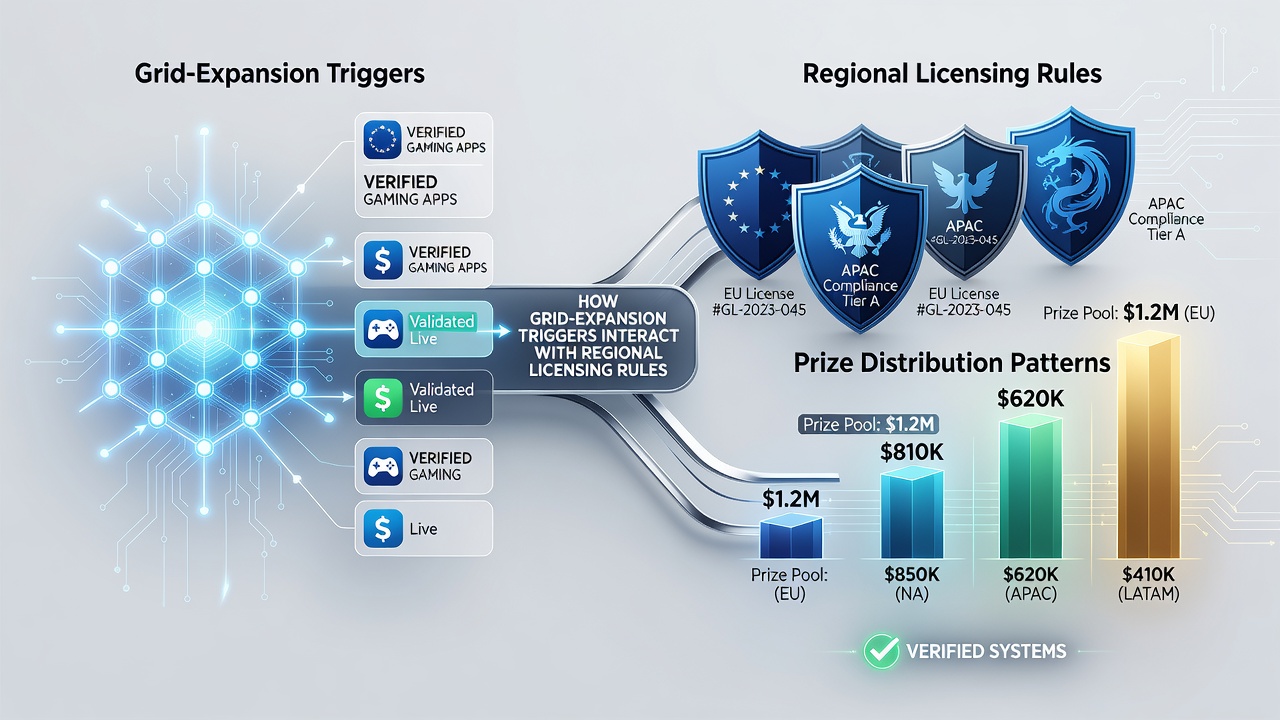
Grid Expansion Triggers and Regional Licensing Frameworks in Verified Gaming Applications
Grid expansion triggers operate as dynamic reel or symbol growth functions within verified gaming applications, and these mechanics expand playable areas during base or bonus rounds while regional licensing rules impose specific constraints on random number generator certification, prize capping, and payout verification protocols. Licensing authorities in multiple jurisdictions require operators to document how expansion events alter hit frequencies and maximum award calculations, which directly influences how prize pools distribute across player sessions in approved apps.
Core Mechanics of Grid Expansion Triggers
Developers integrate grid expansion through code that monitors specific symbol combinations or meter thresholds, and once activated the visible grid increases in rows or columns to create additional payline opportunities. Verification processes demand that each expansion step maintains certified RNG outputs, so licensing bodies review simulation data showing prize distribution before and after trigger events. Data from state-approved testing labs indicates that expansion features can shift average return to player percentages by 1.2 to 3.8 points depending on the frequency of activation cycles.
Operators must submit updated game math sheets whenever expansion logic changes, while regulators cross-reference these submissions against live deployment logs to confirm compliance. This documentation chain ensures that prize distribution patterns remain consistent with pre-approved models across different regional markets.
Licensing Requirements Across Key Jurisdictions
States such as New Jersey and Pennsylvania mandate separate approvals for any feature that modifies reel structures mid-round, and gaming control boards require third-party audits that quantify how grid growth affects jackpot contribution rates. Michigan’s regulatory framework similarly tracks expansion events through mandatory reporting intervals, requiring operators to demonstrate that prize allocation algorithms do not exceed predefined volatility bands. These rules create standardized data sets that allow cross-state comparison of distribution outcomes in verified apps.
Outside the United States, authorities in Ontario and Malta apply comparable certification layers, although their documentation formats differ in emphasis on player protection metrics versus technical RNG stability. Operators therefore maintain region-specific code branches that adjust expansion parameters to satisfy each licensing regime while preserving core game logic.
Interaction Between Triggers and Prize Distribution
When an expansion trigger fires, the system recalculates available winning combinations in real time, and licensing rules often cap the incremental prize uplift to prevent disproportionate concentration of awards within single sessions. Research conducted by independent testing facilities shows that jurisdictions enforcing strict volatility controls experience more even prize spread across player cohorts, whereas markets with lighter expansion oversight record higher variance in top-percentile payouts. The resulting patterns appear in aggregated transaction data submitted quarterly to regulatory portals.
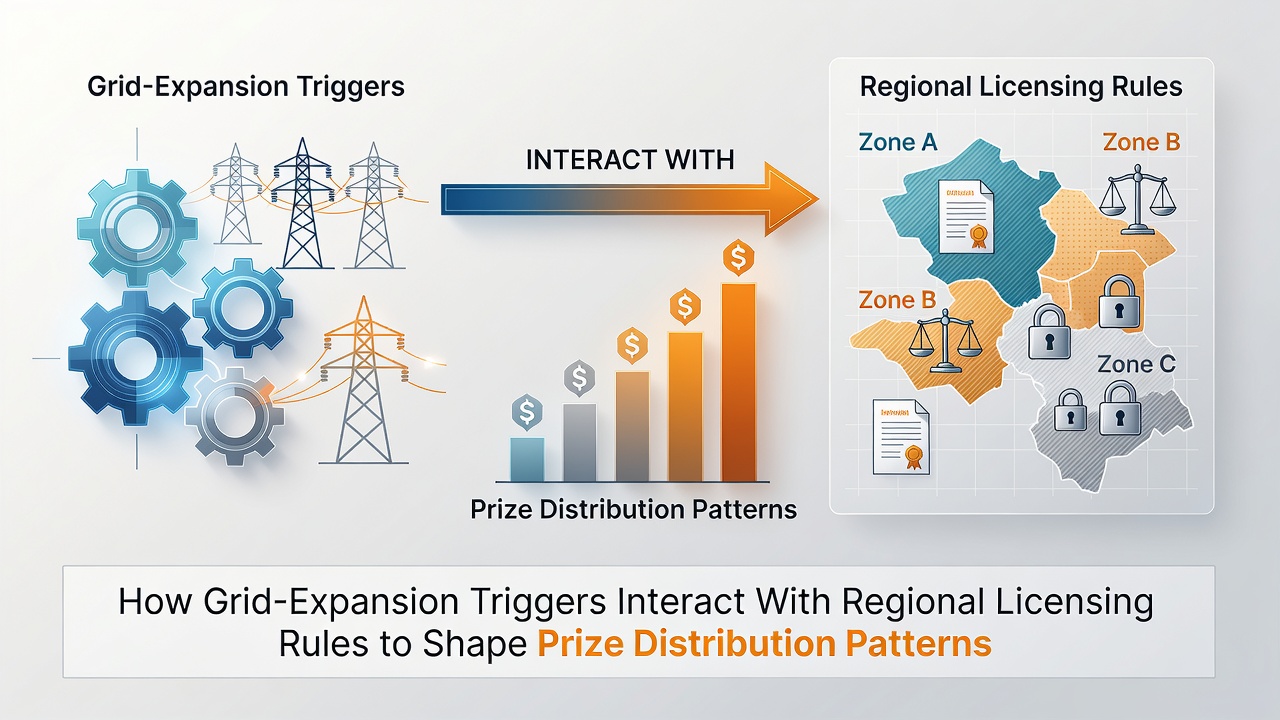
September 2026 compliance updates in several U.S. states introduced enhanced logging requirements for expansion sequences, and operators responded by embedding additional checksums that record every grid state transition. These logs feed into centralized monitoring dashboards used by regulators to detect deviations from expected distribution curves. One study released by the American Gaming Association in 2025 highlighted how such granular tracking correlates with more predictable prize allocation across multi-state app deployments.
Verification Processes and Data Reporting
Verified gaming apps undergo continuous monitoring that captures expansion trigger frequency alongside payout ratios, and licensing agreements require monthly transmission of these metrics to oversight bodies. Analysts at approved laboratories compare live distributions against theoretical models to confirm that no unauthorized modification has altered prize outcomes. When discrepancies surface, operators must suspend the affected title until re-certification clears the updated parameters.
Industry reports from the Canadian Gaming Association document similar workflows in Ontario-licensed platforms, where expansion events trigger mandatory re-evaluation of contribution percentages to progressive pools. This layered review process ensures that prize distribution remains aligned with both technical specifications and jurisdictional fairness standards.
Conclusion
Grid expansion triggers and regional licensing rules together establish measurable boundaries around prize distribution patterns in verified gaming applications, and the ongoing exchange of technical documentation between developers and regulators sustains compliance across evolving markets. Continued refinement of reporting standards in 2026 and beyond supports consistent outcomes while accommodating mechanical innovation within approved frameworks.